 English
 Indian
 العربية
 Español
 Deutsch
 Türkçe
 Русский
 Français (Afrique)

Stephen Fleming says the classic finisher role no longer fits modern T20 cricket. Teams now attack from the first ball, making it hard for a single player to close games. CSK’s recent loss shows they must improve their bowling and rethink their batting strategy.
The Evolution of T20 Cricket: Stephen Fleming's Insights Chennai Super Kings head coach Stephen Fleming is known for speaking his mind. After a recent loss where his team scored an impressive 209 runs but still fell to Punjab Kings, Fleming reflected on the changing dynamics of T20 cricket. The defeat highlighted a critical issue for CSK: their bowling attack's struggle to defend big totals. This problem, however, is part of a broader shift in the game, one that Fleming believes has made the traditional "finisher" role obsolete.
In the aftermath of the match, Fleming discussed the auction process and the decisions that shaped his team's current composition. When asked about missing out on impactful bowlers like Lungi Ngidi, who was overlooked during the auctions, Fleming admitted some uncertainty. "I'm trying to recall the auction process. There were many bowlers we considered but couldn't secure," he said, choosing his words carefully. The implication was clear: in the fast-paced world of T20 cricket, even the best plans can quickly become outdated.
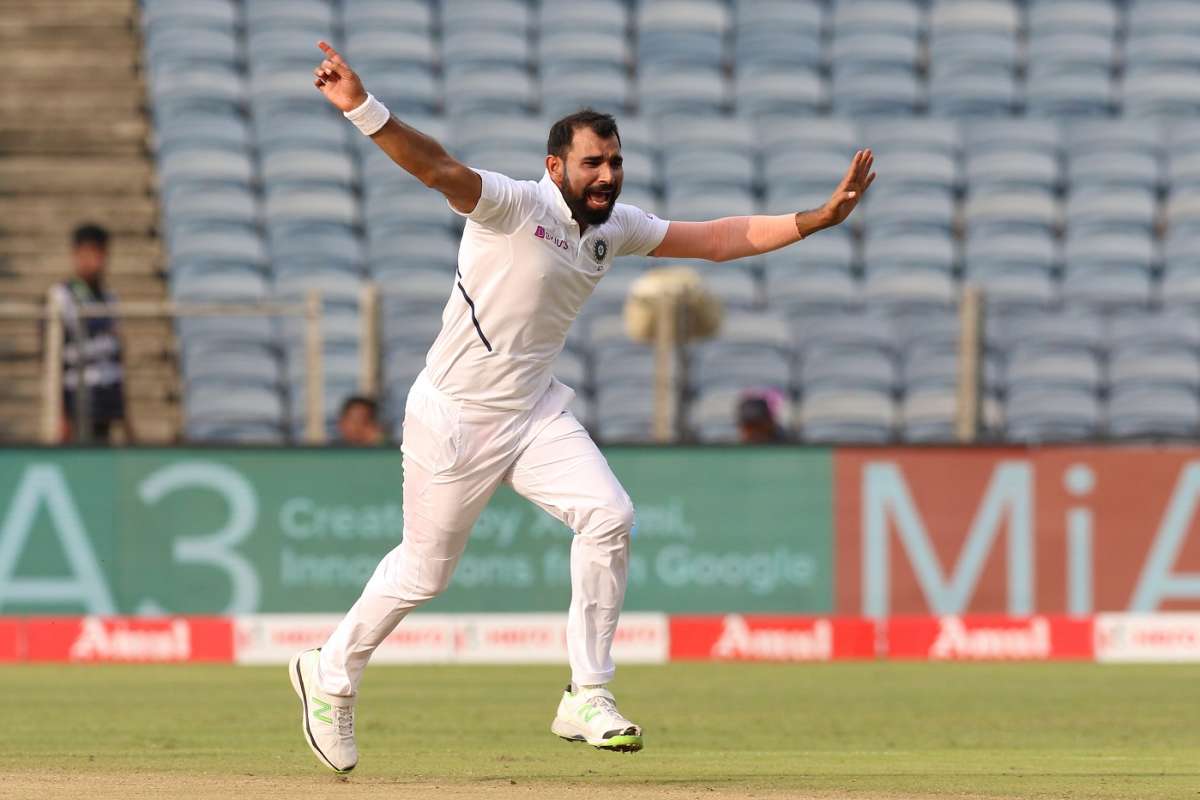
- Stephen Fleming sees the finisher role as outdated.
- CSK scored 209 runs but still lost due to poor bowling.
- The team overlooked seasoned bowlers like Lungi Ngidi in the auction.
- Run rates of ten to twelve per over are now common throughout innings.
- CSK needs a more defensive bowling plan and all‑round attacking batting.
- The IPL’s fast pace forces teams to constantly reassess strategies.
- Success will depend on how quickly CSK can adjust its squad and tactics.

The Decline of the Finisher Fleming's most striking observation was his assertion that the concept of a designated finisher is no longer relevant in modern T20 cricket. This role, once embodied by players like MS Dhoni, who could steer a team to victory with calculated aggression in the final overs, has given way to a more aggressive, all-out approach from the first ball. "It's not about building up to the 16th over and then going harder," Fleming explained. "Everyone's going hard from ball one." This shift towards relentless aggression, with run rates consistently around 10-12 per over, has fundamentally changed how teams approach the game.
Everyone is expected to go hard from ball one, not just the last overs.
A strong bowling unit is now as vital as explosive batting in T20.
The game has moved from building momentum to relentless aggression.
For CSK, this evolution has significant implications. Their batting lineup, though packed with power hitters, lacks traditional middle-order specialists who could play the anchor role. Instead, every batsman is expected to contribute aggressively, regardless of their position. Fleming remains optimistic about his team's capabilities, pointing to Dewald Brevis and the veteran Dhoni as evidence of their depth. Yet, the absence of a clear finisher raises questions about CSK's ability to close out games in high-pressure situations.
Bowling Challenges and Adaptation The loss to Punjab Kings also underscored CSK's bowling woes. Despite investing in young, uncapped Indian talent during the auctions, the team's decision to overlook experienced campaigners like Ngidi has come back to haunt them. Ngidi's growth into a reliable T20 bowler has only emphasized the gap in CSK's attack. Fleming's reluctance to discuss their auction strategy did little to dispel the notion that the franchise may have missed an opportunity to bolster their bowling lineup.
- The traditional finisher role is fading in modern T20 cricket.
- CSK’s bowling weaknesses cost them a high‑scoring win.
- Missing experienced bowlers at the auction hurt CSK’s balance.
- Every batsman is now expected to hit aggressively from the start.
- Quick adaptation is crucial for CSK to remain competitive.
As the IPL 2026 season progresses, CSK faces the daunting task of adapting to these new realities. Fleming's acknowledgment of the need for a more defensive approach with the ball suggests a recognition that their current strategy is unsustainable. However, in a tournament where momentum can shift dramatically from one match to the next, the question remains whether CSK can evolve quickly enough to remain competitive.
Looking to the Future The challenges CSK faces are not unique to the team but reflect broader changes in T20 cricket. The game's increasing emphasis on aggression and innovation means that teams must constantly reassess their strategies. For Fleming and CSK, this involves not only addressing immediate concerns like bowling weaknesses but also reevaluating the roles within their batting lineup. As the season unfolds, their ability to adapt will be crucial in determining their success. With the right adjustments, CSK can turn their season around, but the time for reflection is limited in the fast-paced world of the IPL.
FAQ
- What does Stephen Fleming say about the finisher role in T20 cricket?
- Fleming argues that the designated finisher is obsolete because every batsman is expected to hit hard from the start. He notes that the game now sees run rates of ten to twelve per over throughout the innings.
- Why did CSK lose to Punjab Kings despite scoring 209 runs?
- The loss highlighted CSK’s inability to defend large totals with their bowling attack. Their bowlers could not contain Punjab’s aggressive chase, exposing a gap in experience.
- How does Fleming view CSK’s auction decisions?
- Fleming admitted that they missed out on experienced bowlers like Lungi Ngidi during the auction. He said many options were considered but could not be secured, leaving the side reliant on younger, untested talent.
- What changes does Fleming suggest for CSK’s future strategy?
- He calls for a more defensive approach with the ball and a batting line‑up where every player can attack. Fleming believes adapting quickly is essential for staying competitive in the IPL.
- Is the decline of the finisher a trend across all T20 teams?
- According to Fleming, the shift toward relentless aggression is a league‑wide phenomenon. Teams now prioritize power hitting from ball one rather than building to a late‑innings surge.
